



| Title/Author | ||
|
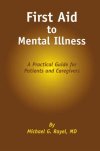
First
Aid to Mental Illness; Michael G. Rayel, M.D.
|
||
| Book Details | ||
|
||
| Publisher's Write-Up | ||
|
The value of first-aid intervention has long been recognized in the treatment of physical illness. However, to date, the concept of first aid has eluded the realm of mental health. While treatment strategies have been developed and utilized by professionals, none have been designed to enable patients and caregivers to recognize and make an initial assessment of a particular mental illness and provide early intervention. This book introduces the concept of first aid to the most common mental health disorders. It outlines the CARE approach-a practical guide in checking for the presence of a mental health problem; anticipating possible complications of certain mental illness if not addressed properly; providing an early remedy or intervention; and educating the patients and caregivers regarding the do's and don'ts when confronted with a mental health issue. |
||
| Column Ends |
space
| Reader Reviews | |
Review by Denise M. Clark (011202) Rating (7/10) Review
by Denise M. Clark Each chapter defining an illness is thoroughly covered, from case scenarios to emotional and behavioural changes to watch for, or physical and psychological manifestations and then offers a self-help approach from a patient's perspective or advice for the patient's caregiver. Dr. Rayel's use of the CARE approach aids the reader, caregiver or sufferers in learning not only to identify a problem, but also how to deal with it. And as such, the reader learns to 'Check for signs of mental illness, to Anticipate complications, to Remedy with early intervention and where and how to Educate oneself about the illness.' Equally important is the advice the author's shares with the caregiver, for which he suggests the HELP method for early intervention. Here one learns to 'Help patients through the ABC's of first aid, to Empathize generously, to Listen actively and to Prevent oneself from getting sick. Replete with case scenarios and basic coping skills, this extremely well organized and researched reference provides invaluable advice and ready information that every family should have. Dr. Rayel takes some of the fear and stigma out of the subject of mental illness with his informative and compassionate approach to a subject that many shy away from. Dr.
Rayel trained in general psychiatry & psychodynamic psychotherapy
at New York Medical College, geriatric psychiatry at New York
University Medical Centre, and forensic and correctional psychiatry
at Harvard Medical School.  |
|
| Column Ends |
space


 7/10
7/10