



| Title/Author | ||
|
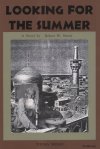
Looking for the Summer Robert W. Norris
|
||
| Book Details | ||
|
||
| Publisher's Write-Up | ||
|
Looking for the Summer is novel, autobiography, travelogue, philosophical tract and, above all, a voyage of self-discovery that illuminates an era. The novel's narrator is a Conscientious Objector in the Vietnam War. Estranged from his own society and family, he travels through Europe, India, the Far East seeking identity and an understanding of his times. Norris skilfully depicts these countries and societies with all their poverty, disease and death - and, often, their nobility and generosity - and his narrator's quest for self-knowledge becomes an absorbing and challenging novel. |
||
| Column Ends |
space
| Reader Reviews | |
Review by Paul Lappen (310804) Rating (9/10) Review
by Paul Lappen The mountains of southeast Turkey are full of the sort of people who shoot first and don't bother with asking questions later. The two pass many disabled vehicles along the way, but don't even think of stopping; the philosophy is "every man for himself." They eventually reach Teheran, the Iranian capital. It's a dirty, noisy, congested place, like a city that's grown up too quickly. They continue to Mashad, Hasan's hometown, a much cleaner and nicer place. David is invited to a meeting of an informal group of young people to discuss political philosophy; they have heard about his political rebellion. It's during the reign of the Shah, whose secret police, the SAVAK, are everywhere, so many precautions are needed. A few days later, the leaders of the group are arrested, and David is told to leave Iran immediately. He continues on to Afghanistan. While there, he meets some Westerners who are more interested in drugs than in getting a different perspective of the world around them. He is told that he must continue on to India, to experience it first hand. Emotionally, it will hit him harder than anything in his life, but it's something he must do. Throughout his whole trip, and especially in India, he experiences great kindness from total strangers. He also witnesses poverty and misery on a scale inconceivable to the average American.
This book is short, but it works on several levels. It's a good
travel story, it's a good political and personal philosophy story,
and it's a fine tale of an average person looking for his place
in the world.  |
|
| Column Ends |
space


 9/10
9/10