



| Title/Author | ||
|
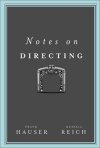
Notes on Directing Frank Hauser and Russell Reich
|
||
| Book Details | ||
|
||
| Publisher's Write-Up | ||
|
The classic guidebook to the director's craft. In assertive, no-nonsense language, Notes on Directing delivers what every director needs to know - and what every actor, scriptwriter, and audience member wants them to know. This deceptively slim volume has the impact of a privileged apprenticeship to a great master. In 1987, British Director Frank Hauser quietly handed twelve pages of typewritten notes to his apprentice, American Russell Reich. The notes - gathered over a long career and polished to a sharp edge - documented the teachings and directions that Hauser shared privately with a host of theatrical and cinematic figures, including Sir Alec Guinness, Richard Burton, Sir Ian McKellen, Dame Judi Dench, and many others who called Hauser their director, mentor, teacher, or boss. Now, the former student has expanded and enhanced his mentor’s notes into a book-length format suitable for anyone searching for the timeless gems of the director’s craft. Drawing on years of training, decades of experience, and the distilled wisdom of leading practitioners, Notes on Directing is filled with enduring good advice expressed in assertive, no-nonsense language. More than a "how-to," this is a tool for directors looking to better translate the page to the stage - or to the screen. With one hundred and thirty directives supported with explanatory commentary, helpful examples, and rare quotes, this deceptively slim volume has the impact of a privileged apprenticeship to a great master. Whether you are a student or a professional, a theatregoer or enthusiast, Notes on Directing provides a thrilling glimpse into the hidden process of creating a live, shared experience. |
||
| Column Ends |
space
| Reader Reviews | |
Review by Paul Lappen (080603) Rating (9/10) Review
by Paul Lappen This book covers the entire directing process, starting from before the first rehearsal and extending to how to deal with critics. Read the play more than once. Understand that plays depict people in extraordinary circumstances. Keep the audience guessing. Rehearsals need discipline. Sincerely praise actors early and often. Listen for actors who drop the ends of lines. Some things are not and should not be repeatable. Don't keep actors hanging about needlessly. Include the crew. Be decisive. An audience's interest in the action is only as high as the actors' interest in it. Lighten up. Don't expect to have all the answers.
Obviously, this is a very specialized book. For someone with zero
experience on stage, like yours truly, these observations feel
logical and reasonable - practically common sense. It's recommended
for those on the outside, as it will give a good idea as to what
it is like to put on a professional production. For those on the
inside, whether actor, director, writer or technical crew, this
book is a must. It tells directors what they ought to know, and
what the crew would like them to know.  |
|
| Column Ends |
space


 9/10
9/10